Licensed people and brokerages
The mortgage and real estate team Todd Schofield, Dylan Schofield, and Ashley Schofield
Mortgage services: Rock Capital Mortgage, Brokerage — FSRA licence #10556
Real estate services: Sutton-Choice Real Estate Inc., Real Estate Brokerage
- Todd Schofield — Mortgage Broker and Real Estate Agent.
- Dylan Schofield — Mortgage Agent Level 2 and Real Estate Agent.
- Ashley Schofield — Mortgage Agent Level 1; Mortgage services only; not a real estate representative..
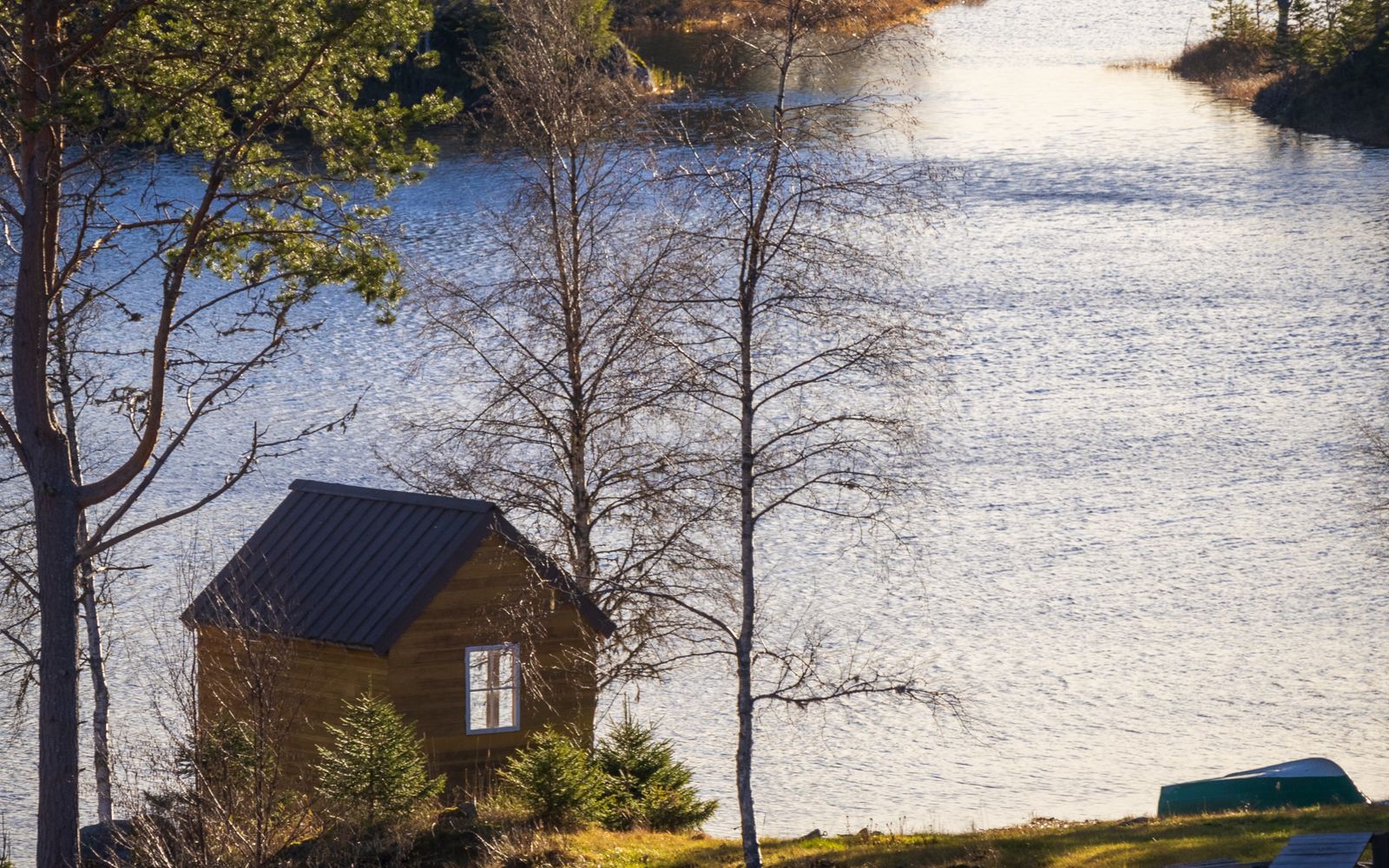
Vacation and Second Homes
Cottage and Second-Home Mortgages in North Bay and Ontario
Prepare to discuss a cottage or second home with clear personal-use, rental-use, access, utilities, insurance and lender questions.
A cottage or second home is still a property-specific mortgage decision. The lender may need to understand whether the home is a personal retreat, a year-round residence, a seasonal property or a rental, along with access, services, condition, ownership and insurance. A lake view or a familiar community name does not establish eligibility.
This page is educational preparation for a secondary residential property in North Bay and Ontario. It keeps personal use separate from rental use and does not promise that every seasonal, water-access or remote property can be financed. Confirm the actual home, borrower, lender, insurer, municipality and legal file before committing.
Begin with the intended use
Describe how the property will actually be used. Personal use, occasional family use, long-term rental, short-term rental and mixed use can raise different lender, insurance, municipal, tax and property questions. If the plan could change, say so before applying rather than selecting a product based on an assumed future use.
Sources: Canada Mortgage and Housing Corporation; Financial Consumer Agency of Canada
| Intended use | Questions to ask | Confirm with |
|---|---|---|
| Personal second home | How often, by whom and under what access and maintenance plan? | Lender, insurer, lawyer and property professionals |
| Seasonal cottage | What services, access, winterization and occupancy limits apply? | Lender, insurer, municipality and inspector |
| Year-round residence | Is it suitable and available for full-time occupancy with year-round access? | Lender, insurer, municipality and inspector |
| Long-term rental | Is the use lawful and how is documented rent treated? | Municipality, lender, insurer, lawyer and accountant |
| Short-term or mixed use | What rules, insurance and product conditions apply? | Municipality, insurer, lender and legal professional |
Sources: Canada Mortgage and Housing Corporation; Financial Consumer Agency of Canada
CMHC’s quick reference materials distinguish homeowner and small-rental contexts and state property requirements such as suitability, availability for full-time or year-round occupancy and year-round access for the relevant insured products. Those product-specific requirements are not a blanket second-home rule: they do not make every cottage eligible or answer the insurance, municipal or tax question.
Independently compiled cottage-readiness checklist
Ask about the actual property
- Is the property personal-use, rental, seasonal, year-round or mixed use under the intended plan?
- What is the legal access route, and is it available in the seasons when the home will be occupied?
- How are water, sewage, waste, heating, electricity, internet and emergency access handled?
- Is the shoreline, dock, road, shared access, outbuilding or water system documented and insured?
- What does the municipality say about zoning, occupancy, short-term rental, septic, building and permits?
- What does the insurer require for vacancy, winterization, wood heat, water access, rental use and liability?
- What property value, appraisal, condition, inspection and lender documents are required?
- How much cash remains for down payment, closing, repairs, seasonal maintenance and emergencies?
- If renting, what lease or booking evidence is available and what use does the lender permit?
- What happens to the plan if the property cannot be insured, appraised or accessed as expected?
Sources: Canada Mortgage and Housing Corporation; Financial Consumer Agency of Canada
Keep property questions in a file separate from the mortgage application but send consistent information through secure channels. A listing’s description of waterfront, access or services is a starting point for due diligence, not a professional conclusion.
Sources: Financial Consumer Agency of Canada
The lender assesses the borrower and the home
A second-home mortgage review can involve the borrower’s income, debt, credit, assets and existing housing costs as well as the home’s value, access, condition, use and insurance. FCAC says lenders and brokers look at assets, income and debt for pre-approval, while final approval can depend on the property, down payment and updated information.
Sources: Financial Consumer Agency of Canada; Financial Consumer Agency of Canada
| Category | Questions | Evidence to discuss |
|---|---|---|
| Borrower | Can the household carry this home alongside the primary home? | Income, debt, credit, assets and payment plan |
| Property | Is the value, condition, access and intended use acceptable? | Appraisal, inspection, municipal and legal records |
| Cash | What is available after down payment and closing? | Account history, sale proceeds, gift and reserve records |
| Insurance | Can the home and use be insured on acceptable terms? | Insurer questions, occupancy and systems |
| Rental plan | Is rent permitted and how may it be considered? | Lease, records, municipal confirmation and lender method |
Sources: Financial Consumer Agency of Canada; Canada Mortgage and Housing Corporation
A pre-approval can help organize the borrower side but does not certify a cottage. Do not waive financing, inspection, insurance or legal conditions because a property appears similar to another home that financed successfully.
Sources: Financial Consumer Agency of Canada
Budget for the second set of ownership costs
A second home can add mortgage payments, property tax, insurance, utilities, travel, maintenance, winterization, repairs, equipment, dock or access costs and vacancy. A lower purchase price does not guarantee lower ownership cost. Build a reserve for an empty property and a year when access or repairs cost more than expected.
Sources: Financial Consumer Agency of Canada; Financial Consumer Agency of Canada
Compare the alternatives
- Buy for personal use with a budget that does not depend on rental income.
- Buy with permitted long-term rental use after municipal, insurance and lender confirmation.
- Delay the purchase while building down payment, closing cash or a repair reserve.
- Use another property or product only after comparing total interest, fees, security and repayment.
- Rent a vacation property without taking on ownership, maintenance and financing risk.
Sources: Financial Consumer Agency of Canada; Financial Consumer Agency of Canada
If the second home is intended to generate rent, do not use a projected booking calendar as guaranteed income. If it is intended to remain private, do not assume occasional family payments change the lender or tax treatment. Ask before changing use.
Sources: Financial Consumer Agency of Canada
Also compare the ownership decision with the household’s primary home goals. A second mortgage payment can reduce flexibility for repairs, education, retirement, a move or a change in employment. The reserve should cover both homes, not only the new property’s expected monthly gap.
Sources: Financial Consumer Agency of Canada; Financial Consumer Agency of Canada
If a family member will occupy the property or contribute to the costs, record the arrangement and ask the lawyer, accountant and lender how it should be documented. A family understanding is not automatically a lease, ownership interest or qualifying income.
Sources: Financial Consumer Agency of Canada
Revisit the budget after inspection, insurance and municipal information arrive. Those facts can change the down payment, reserve or decision to proceed.
Sources: Financial Consumer Agency of Canada
Do not treat a seasonal listing as a complete property file.
Verify each important fact before making the offer firm.
Keep unresolved questions visible in the budget.
Update the plan when facts change.
Keep approvals and estimates dated.
Northern Ontario cottage questions
North Bay and nearby Northern Ontario communities include homes with different roads, shorelines, utilities, access seasons and property histories. A property near a lake, on an island or outside a serviced area can require more documentation than a serviced urban home. Verify the actual address with the municipality, lender, insurer, inspector and lawyer rather than applying a general cottage assumption.
Sources: Canada Mortgage and Housing Corporation; Financial Consumer Agency of Canada
Bring local questions to the conversation
- How will winter access, emergency response and seasonal road maintenance work?
- Who owns and maintains the road, dock, shoreline access, well or septic system?
- What happens to the property if it is vacant for a stated period?
- Does the intended rental or occupancy use comply with municipal and insurance requirements?
- How will travel, maintenance and family scheduling affect the household budget?
The MCC Home Centre App can support general planning, but it cannot determine whether a cottage is insurable, accessible, lawful, financeable or suitable for a rental plan.
Ask the property professionals to distinguish deeded rights from informal arrangements. A neighbour’s usual road access, a shared dock, a seasonal water system or an owner’s statement about winter access may still require documents, permission or maintenance terms. The mortgage file should reflect what has been verified, not what is customary.
Sources: Financial Consumer Agency of Canada; Canada Mortgage and Housing Corporation
If the property is remote, plan how inspections, appraisals, repairs and emergency work will occur. A delayed visit or difficult delivery can affect cost and timing even when the purchase price fits the initial budget.
Sources: Financial Consumer Agency of Canada
Keep the cottage plan realistic for the household’s working schedule, travel time and ability to maintain the home between visits.
Discuss the specific property
Bring the address, intended use, ownership plan, access and services, income and debt picture, down payment, closing cash and reserve. Ask what the lender needs and route property, legal, insurance, municipal and tax questions to the right source. Keep personal and rental scenarios as separate comparisons.
Sources: Financial Consumer Agency of Canada; Canada Mortgage and Housing Corporation
Questions people ask before deciding
Can every cottage get a mortgage?
No. The borrower, property, use, value, condition, access, insurance and lender or insurer rules all matter. CMHC program materials describe requirements for relevant insured products, but they do not make every seasonal or water-access property eligible.
What is the difference between a personal second home and a rental property?
Personal use means the household intends to occupy it for its own purposes; rental use introduces tenancy, income, insurance, municipal and tax questions. Disclose the intended use accurately and ask the lender which product and documentation apply.
Does year-round access matter for cottage financing?
It can. CMHC quick-reference materials state year-round access and suitability for full-time, year-round occupancy for the relevant products. The actual property and lender criteria control, so verify road, bridge, ferry, private-access and insurance details.
Can I use short-term rental income to qualify?
Do not assume so. Short-term rental use may involve different municipal, insurance, tax and lender rules, and projected bookings are not guaranteed income. Confirm lawful use and the lender’s method before relying on it.
What documents should I gather for a cottage mortgage?
Prepare income, debts, credit, assets, down-payment and closing-cash records, plus the address, use, access, services, ownership, insurance and property information. The lender will decide the current list and may require an appraisal or other review.
Sources: Financial Consumer Agency of Canada
Can a second home be financed using equity in my primary home?
Some borrowers explore equity products, but the debt remains secured and must fit qualification, payment and risk limits. Compare total interest, fees, security and repayment before assuming equity makes the second property affordable.
Does a pre-approval approve the cottage I want?
No. FCAC says a pre-approval does not guarantee final approval, and the property, down payment and final information still matter. Provide the actual address and complete property details before relying on the earlier review.
Sources: Financial Consumer Agency of Canada